
Replies: 3 comments 2 replies

-
|
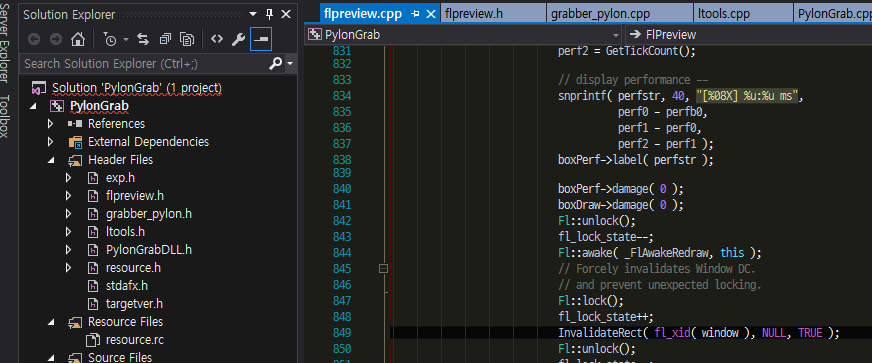
Dear @fire-eggs , -- or -- If you want fast redraw mechanism on Windows, I recommend use like this, I'm using this way for rendering image over 60fps only for Windows with MSVC.
( This program is a part of fast rendering industrial camera viwer by using Pylon cameras over 60Hz/fps ) |
Beta Was this translation helpful? Give feedback.
-
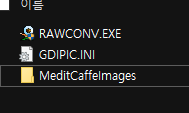
Testing with MSYS2 + MinGW-W64 ( 10.3.0, rev2 )Primal test
Fixing Makefile for MinGW-W64
|
Beta Was this translation helpful? Give feedback.
-
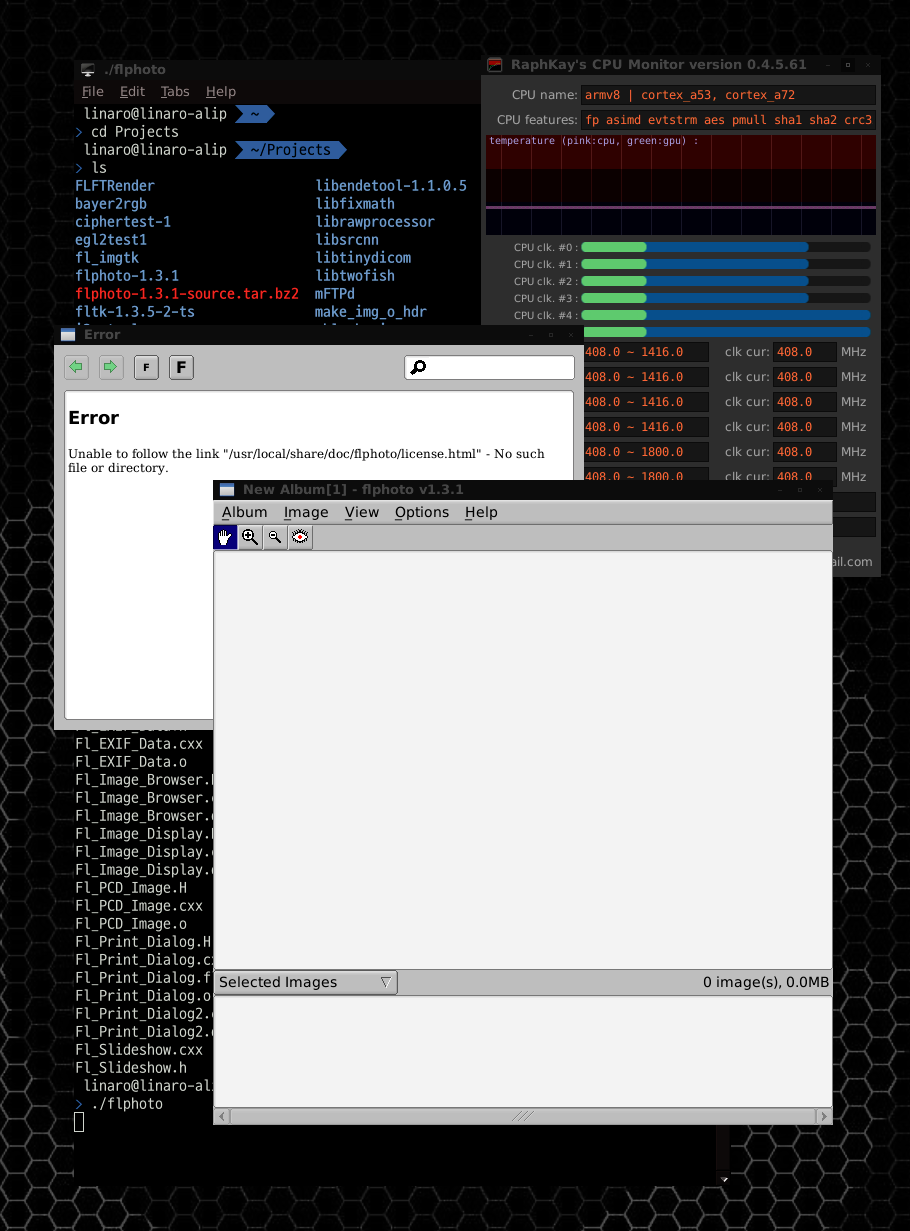
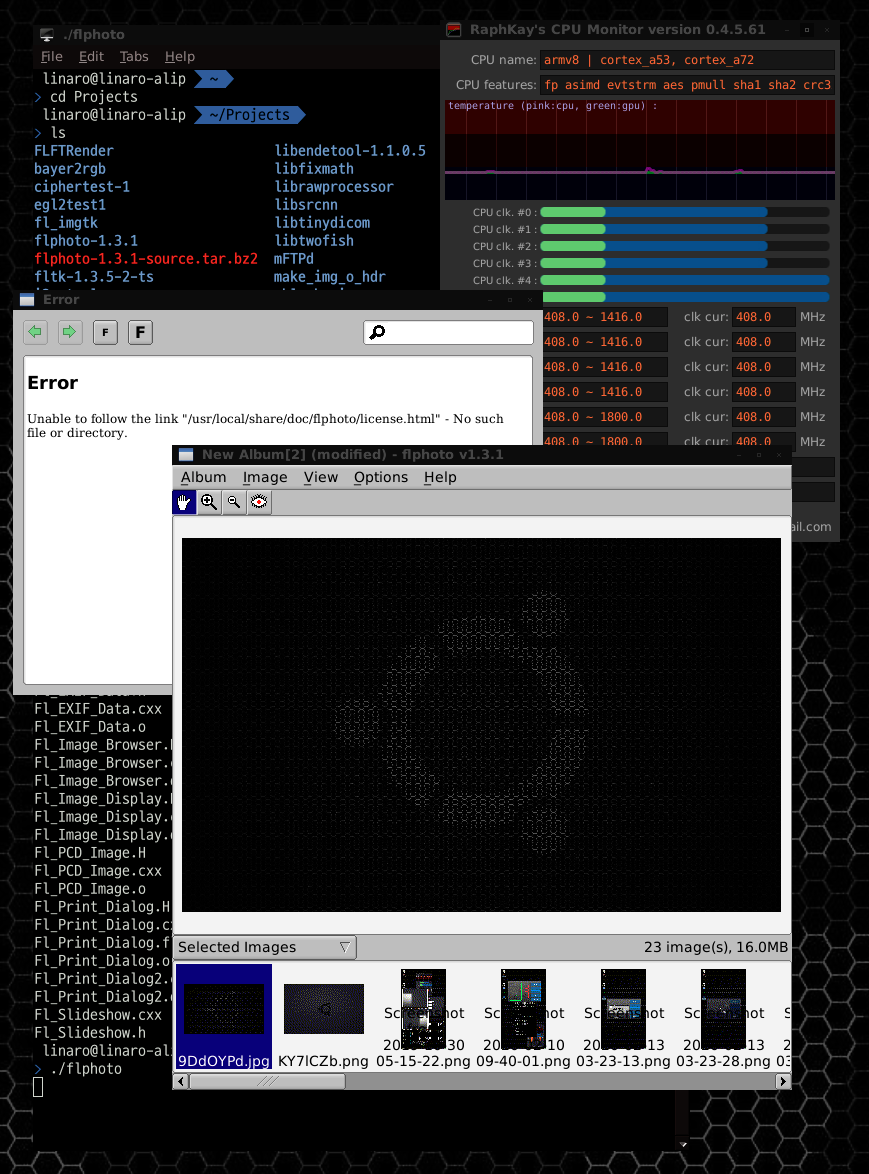
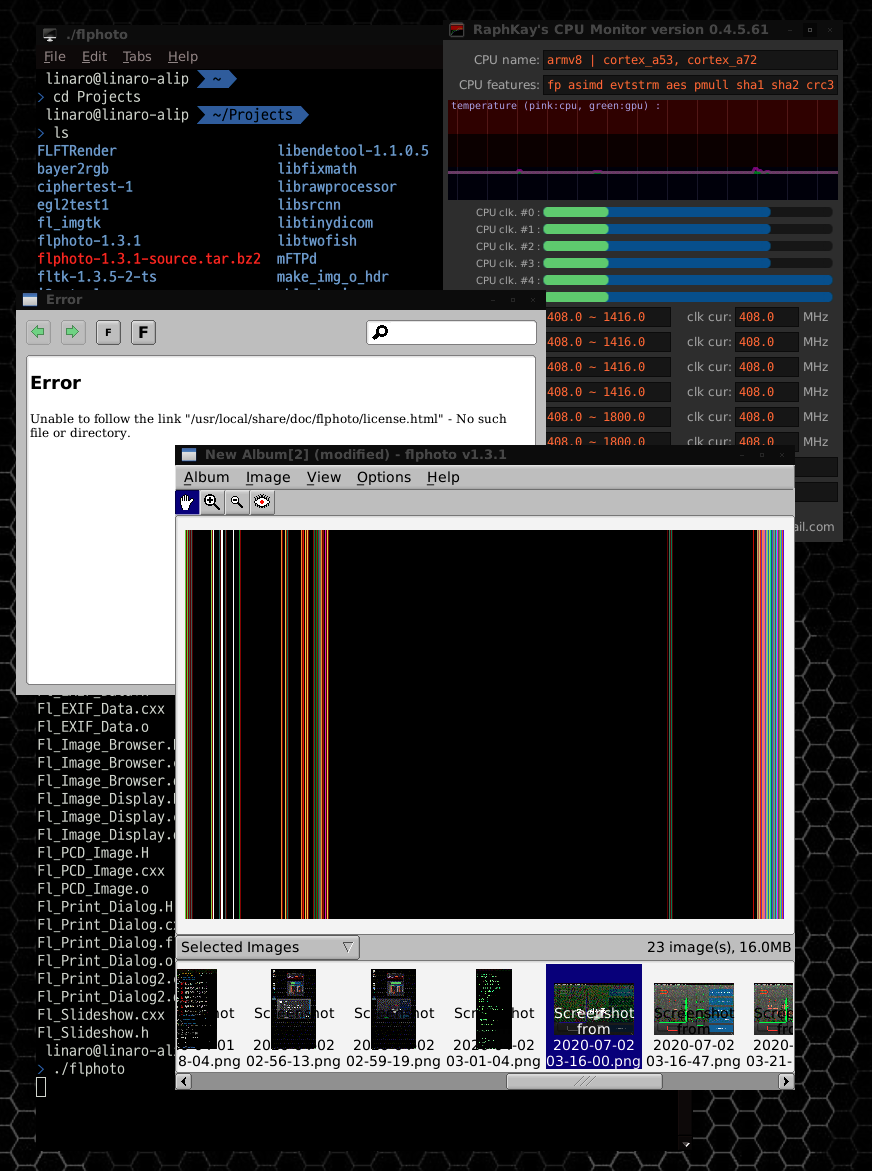
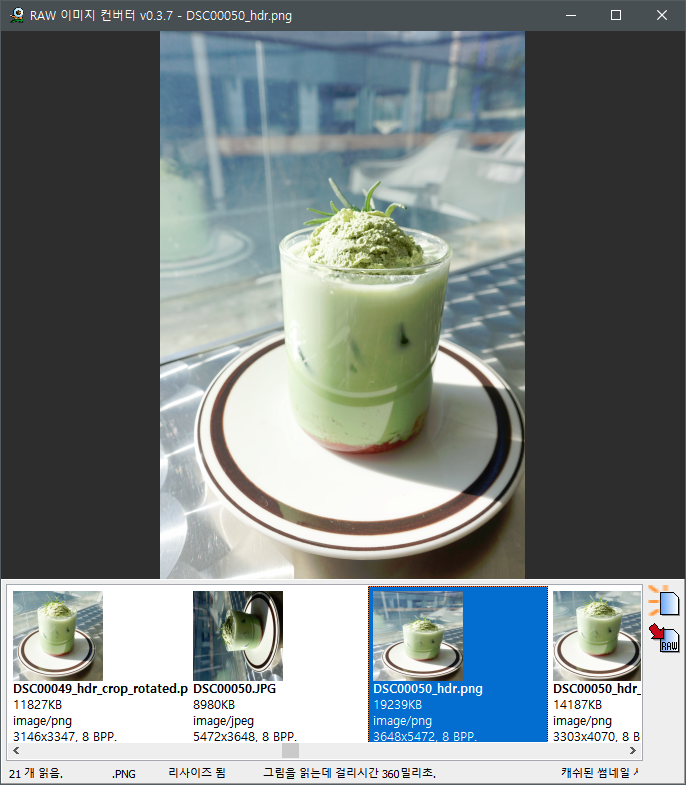
Testing on my embedded linux system ( Rockchip RK3399, my exclusive designed linux kernel 4.4.179, with X11 )
|
Beta Was this translation helpful? Give feedback.

-
Ha ha! No, it's not! Just some history ... FLTK's performance when panning isn't too bad, but I do see visual glitches. It may be my computers - they don't have GPUs ... |
Beta Was this translation helpful? Give feedback.

-
Maybe it's some deficiencies of FLTK. Plus, There's many platform-dependency issues like MS' unclean GDI legacy support with modern high DPI with FLTK. But I'd made many things to test graphics processing with FLTK and it's always so good to make it visible result with charm GUI. Regards, Raph. |
Beta Was this translation helpful? Give feedback.


Uh oh!
There was an error while loading. Please reload this page.
-
Back in 2005 timeframe, Michael Sweet wrote a program called flphoto based on FLTK. It includes a class called Fl_Image_Display which did a lot of the display work. The last, 1.3.1 source is at https://sourceforge.net/projects/fltk/files/flphoto/
I've not re-visited it lately, but when I first experimented with it, the code "felt" like it provided a faster panning experience than straight FLTK. This was on Windows, I've not yet tried it under Linux.
Fl_Image_Display uses a FLTK function called
fl_draw_image. This function is different in that it takes a callback function. The callback function returns a single scanline from the image for display.I think this optimizes display because only the portion of the scanline required is returned. I.e. if the window is narrower than the image, only the visible viewport within the image is provided. This is in contrast with "typical" drawing, where AFAIK, the entire image is displayed, but clipped to the window viewport.
Under Windows, using GDI, I can easily believe this callback mechanism to be faster. I don't have a good sense of behavior under X11 or Wayland in Linux.
Beta Was this translation helpful? Give feedback.
All reactions